

Andrei Tarkovsky
- film director
- actor
- film editor
- screenwriter
- biographer
- film actor
- theatre director
- director
- film screenwriter
- Born 1932-04-04
- Died 1986-12-29 (aged 54)
- Nationality Soviet Union, France, Italy
- Years active 1958–1986
Biography
Nothing here yet
Known for
Filmography
See full filmography- 1986The SacrificedirectorMovie
age 54 - 1983NostalghiadirectorMovie
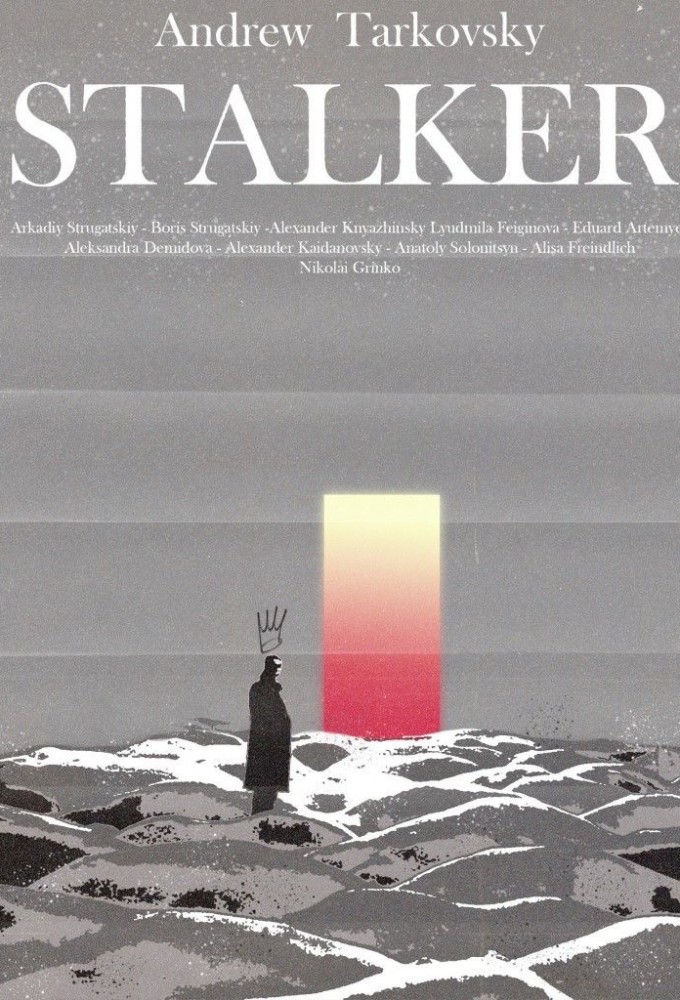
age 51 - 1979StalkerdirectorMovie
age 47 - 1975The MirrordirectorMovie
age 43 - 1972SolarisdirectorMovie
age 40 - 1966Andrei RublevdirectorMovie
age 34 - 1962Ivan's ChildhooddirectorMovie
age 30
| Role | ||||
|---|---|---|---|---|
| 1986 | 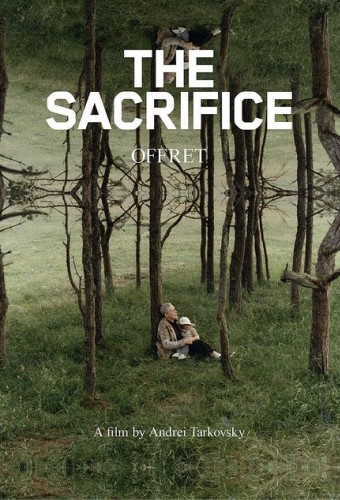 The Sacrifice The Sacrifice | Movie | director | 54 |
| 1983 | 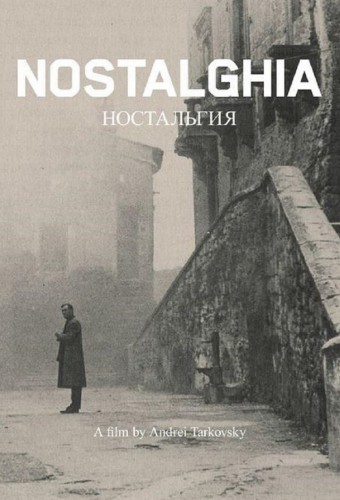 Nostalghia Nostalghia | Movie | director | 51 |
| 1979 |  Stalker Stalker | Movie | director | 47 |
| 1975 | 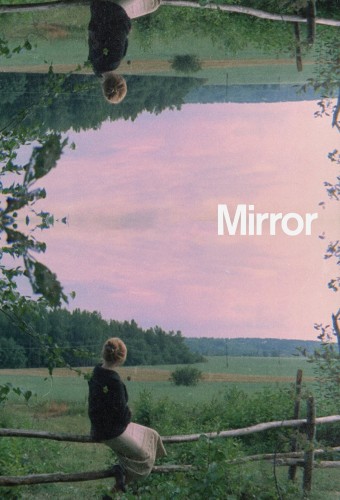 The Mirror The Mirror | Movie | director | 43 |
| 1972 | 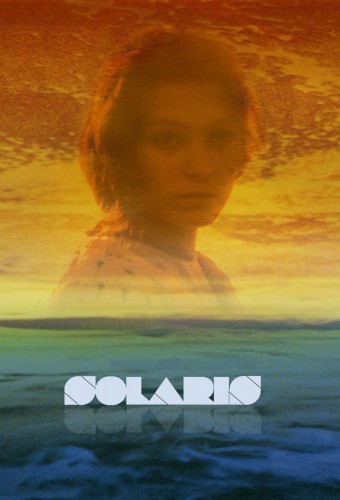 Solaris Solaris | Movie | director | 40 |
| 1966 | 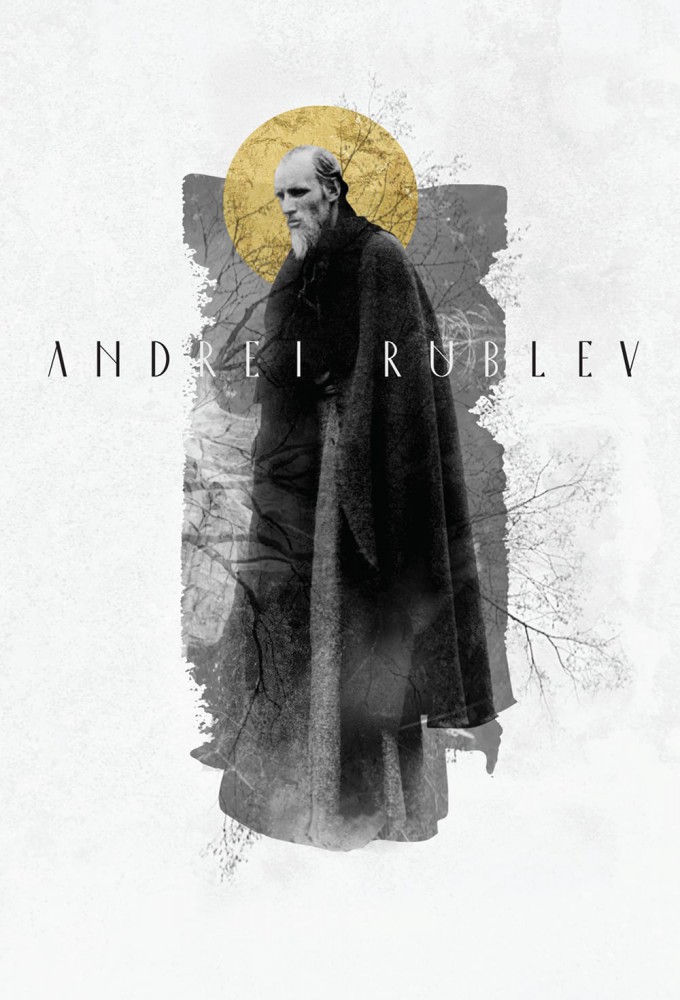 Andrei Rublev Andrei Rublev | Movie | director | 34 |
| 1962 | 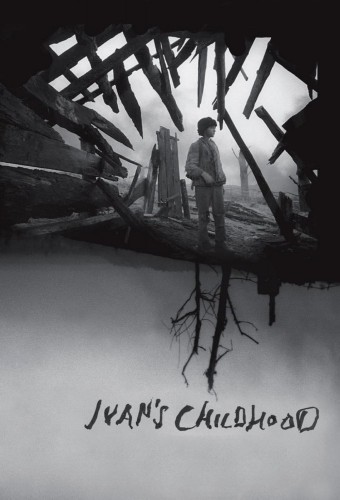 Ivan's Childhood Ivan's Childhood | Movie | director | 30 |
Career timeline
Award won Role or nomination
1932 age 0
Born1962 age 30
1966 age 34
1972 age 40
1975 age 43
1979 age 47
1983 age 51
1986 age 54
Died
Worked with most
Family and influences
Spouse
Parents
Nothing recorded for: Partner, Children, Siblings, Influenced by, Studied under, Taught.
Photos
See all photosQuotes
We are talking here about the future: about the lives of people in the world without wars, without social oppression, without national inequality, without suppression of human’s abilities. In other word, it is about the future that we all call Communism. We strive to imagine (and show to the viewer) the reality of the 21st century — the life of future humans developing, solving their difficulties and problems but being already on the new levels of cognition and morality. But the foundation of that future is being laid now. We strive to represent the future people as vivid and free, in the unity of their joys and cares, poetry and prose of their life. We are in no way satisfied with the primitive and unconvincing image of "people of the future", which can be observed in some works of literature and cinema. At the same time, we consider our work to be polemical with the many books and movies produced by the bourgeois world, which tend to see the future in an apocalyptic or technocratic w
Andrei Tarkovsky, CC BY-SA 4.0
An artist needs knowledge and the power of observation only so that he can tell from what he is abstaining, and to be sure that his abstention will not appear artificial or false.
Andrei Tarkovsky, CC BY-SA 4.0
For me the most interesting characters are outwardly static, but inwardly charged by an overriding passion.
Andrei Tarkovsky, CC BY-SA 4.0
I have to say from the outset that not all prose can be transferred to the screen.
Andrei Tarkovsky, CC BY-SA 4.0
I find poetic links, the logic of poetry in cinema, extraordinarily pleasing. They seem to me perfectly appropriate to the potential of cinema as the most truthful and poetic of art forms. Certainly I am more at home with them than with traditional theatrical writing which links images through the linear rigid logical development of plot. That sort of fussily correct way of linking events usually involves arbitrarily forcing them into sequence in obedience to some abstract notion of order. And even when this is not so, even when the plot is governed by the characters, one finds that the links which hold it together rest on a facile interpretation of life's complexities.
Andrei Tarkovsky, CC BY-SA 4.0
Art is born and takes hold wherever there is a timeless and insatiable longing for the spiritual, for the ideal: that longing which draws people to art. Modern art has taken the wrong turn in abandoning the search for the meaning of existence in order to affirm the value of the individual for his own sake. What purports to be art begins to looks like an eccentric occupation for suspect characters who maintain that any personalised action is of intrinsic value simply as a display of self-will. But in an artistic creation the personality does not assert itself it serves another, higher and communal idea. The artist is always the servant, and is perpetually trying to pay for the gift that has been given to him as if by a miracle. Modern man, however, does not want to make any sacrifice, even though true affirmation of the self can only be expressed in sacrifice. We are gradually forgetting about this, and at the same time, inevitably, losing all sense of human calling.
Andrei Tarkovsky, CC BY-SA 4.0
TV appearances
Nothing here yet
Facts
Personal details
- Nationalities
- Soviet Union, France, Italy
- Cause of death
- lung cancer
- Languages
- Russian
- Years active
- 1958–1986
- Notable works
- Solaris, Andrei Rublev, The Mirror, Stalker, Ivan's Childhood, Nostalghia, The Sacrifice
- Education
- Gerasimov Institute of Cinematography, Institute of Oriental Studies of the Russian Academy of Sciences